High Performance Health: Unveiling the Wonders of Polyphenols
Introduction
The impact of natural plant chemicals on human health is truly remarkable, yet often difficult to fully articulate. Nevertheless, we are committed to exploring this fascinating topic. The universe of polyphenols is vast, and we have merely scratched the surface. The potential benefits they offer seem limitless, extending not only lifespan but also "healthspan," enabling individuals to age while retaining the vitality, strength, and mobility of their youth. Additionally, polyphenols are likely to enhance athletic performance. Unfortunately, outside of the circles of nutritionists and scientists, polyphenols remain relatively unknown. It's time to change that.
What Are Polyphenols?
Polyphenols are natural compounds present in plants, responsible for their color, taste, and aroma. They constitute one of the three major branches of phytochemicals, with an estimated number of over 8,000 different phytochemicals, making them perhaps the largest subgroup.
Their Role in Plants and Humans
In plants, polyphenols act as chemical bodyguards, defending against excessive UV light, insects, fungi, and various diseases. Intriguingly, when ingested by humans, they seem to confer similar protective effects. While initially, many of their beneficial effects were attributed to their antioxidant properties in the 1990s, the actual biological mechanisms are far more complex, involving intricate biochemical interactions that we are only beginning to comprehend.
Health Benefits of Polyphenols
Regardless of the precise mechanism, polyphenols have been shown to have numerous health benefits. They reduce inflammation, prevent platelet aggregation (clotting), lower blood pressure, protect against exercise - induced oxidative stress, increase insulin sensitivity, and reduce cholesterol. There is also evidence suggesting they may have beneficial effects against terminal diseases. A simple Google search of any specific fruit or vegetable in relation to a major disease will likely yield at least one study indicating the potential of the polyphenols in that produce to treat the disease.
Types of Polyphenols
Flavonoids
This group consists of eight different subclassifications, including flavanols, isoflavones, and anthocyanins. In human studies, flavonoids exhibit a wide array of effects. They possess antioxidant, anti - inflammatory, anti - mutagenic, and even anti - carcinogenic properties (at least in in vitro experiments). Additionally, they modulate the functions of many key cellular enzymes.
Phenolic Acids
Phenolic acids are divided into two groups: hydrobenzoic acids and hydroxycinnamic acids. Similar to flavonoids, they possess strong antioxidant capabilities. They also exhibit anti - microbial, anti - cancer, anti - inflammatory, and anti - mutagenic properties.
Miscellaneous, Non - Flavonoid Polyphenols
This group includes tannins, curcuminoids such as curcumin, stilbenes, and lignans.
Stilbenes, like resveratrol, are predominantly found in grapes and berries. They show promise in protecting against age - related diseases, type - 2 diabetes, and even Alzheimer's disease.
Curcuminoids, especially curcumin, have a diverse set of powers. They can enhance cardiovascular health, reduce the risk of diabetes, and lower plaque levels in the arteries.
Lignans, primarily found in grains and flaxseed, are of particular interest due to their steroid - like structure. Most are classified as phytoestrogens, which mimic the action of estrogen. They appear to play a role in treating menopausal symptoms and osteoporosis.
Foods Containing Polyphenols
On average, most people consume just over a gram of polyphenols daily through a normal diet. However, a significant portion of this intake is often from a single polyphenol, the flavanol quercetin, which is extremely common. Given the vast potential health benefits of the diverse world of polyphenols, it is advisable to ingest as many different polyphenols as possible. This is where the "polyphenol diet" can be beneficial. Here are seven categories of plant - based foods to aim for at least one serving of each day:
Vegetables: Artichokes, potatoes, rhubarb, yellow onions, red cabbage, cherry tomatoes, leeks, broccoli, celery.
Fruits: Berries, apples, apricots, plums, pears, grapes, cherries. Generally, the darker the fruit, the higher the polyphenol content.
Whole Grains: Buckwheat, rye, oats, barley, corn, wheat, rice.
Nuts, Seeds, Legumes: Black beans, white beans, pecans, almonds, walnuts, flaxseed, chestnuts, hazelnuts.
Fats: Extra virgin olive oil, sesame seed oil, dark chocolate.
Beverages: Coffee, tea, red wine, cocoa. Although these are liquid forms of foods from other groupings, it is more convenient to consider them separately.
Spices: Oregano, rosemary, soy sauce, cloves, peppermint, anise, celery seed, saffron, spearmint, thyme, basil, curry powder, ginger, cumin, cinnamon, garlic.
The Targeted Supplement Approach
Certain polyphenols are more potent than others. Thanks to advancements in supplement technology, we can now obtain substantial "doses" of these powerful polyphenols in capsule form to address specific health needs.
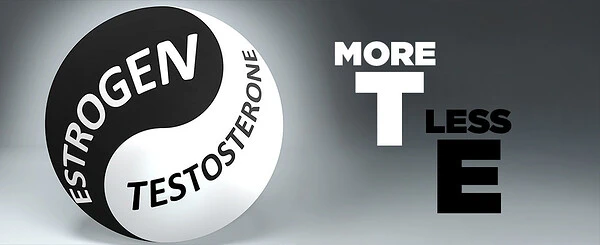
Curcumin: A curcuminoid with potent anti - inflammatory and analgesic properties unparalleled in the plant kingdom. It also offers benefits such as enhanced cardiovascular health, body fat reduction, reduced arterial plaque, decreased diabetes risk, and blocking the conversion of estrogen to testosterone (thereby increasing testosterone levels). Micellar Curcumin (available on Amazon) is recommended as it utilizes solid lipid curcumin particles, producing 95 times more free curcumin in the bloodstream compared to standardized curcumin with piperine (Gota VS et al., 2010).
Cyanidin 3 - Glucoside: A flavonoid with a broad range of abilities, including increasing insulin sensitivity, lowering blood sugar, reducing body fat, decreasing cholesterol, improving skeletal muscle endurance, reducing the risk of heart attack, and even enhancing night vision. It is found in Indigo - 3G (available on Amazon).
EGCG: The most potent catechin in tea, supporting cardiovascular, brain, metabolic, and cellular health. It is also part of the Superfood (available on Amazon) formula.
Punicalagin: Referred to as the "sex polyphenol," it is highly concentrated in pomegranates (mostly in the rind). It can block the conversion of testosterone to estrogen and to DHT, effectively raising testosterone levels in men. It also increases nitric oxide production, leading to improved erections. The P - Well (available on Amazon) formula contains 180 mg of punicalagin (from pomegranate whole fruit extract).
Resveratrol: Known as a longevity supplement, it has a wide range of other benefits, including lowering blood sugar in type 1 and 2 diabetics, reducing blood pressure, improving endothelial health, and modulating high estrogen levels in men. Rez - V (available on Amazon) contains 600 mg of resveratrol per serving.
Fisetin: Besides extending the lifespan of various laboratory animals, it can reduce body fat, regulate blood sugar, protect the skin from UV radiation, lower blood pressure, and combat irritable bowel disease.
Oleocanthol: Responsible for the burning sensation in the back of the throat when consuming olive oil. It is well - known as a non - selective inhibitor of COX (an enzyme involved in inflammation and pain), potentially contributing to the low incidence of heart disease associated with the Mediterranean diet.
Rosmarinic Acid: Primarily found in the spice rosemary. Similar to other life - and health - extending phytochemicals, it seems to up - regulate the expression of certain genes that ultimately affect lifespan, with a particular proficiency in this regard.
Silybin: Long used by professional bodybuilders to protect their livers from steroid - induced damage, this flavanone, derived from the milk thistle plant, has additional superpowers. It appears to increase fat burning, muscle growth, and even athletic performance.
Conclusion
For years, the medical profession, health - related publications, and even our mothers have recommended consuming a diverse range of fruits and vegetables. While the exact reasons may not have been fully understood in the past, we now know the crucial role polyphenols play in promoting health.
References
de Araujo FF et al. "Polyphenols and their applications: An approach in food chemistry and innovation potential." Food Chem. 2021 Feb 15;338:127535. PubMed 32798817.
Suhett LG et al. "Effects of Curcumin Supplementation on Sport and Physical Exercise: A Systematic Review." Crit Rev Food Sci Nutr. 2021;61(6):946 - 958. PubMed 32282223.
Jagieta GC et al. "'Spicing up' of the immune system by curcumin." J Clin Immunol. 2007 Jan;27(1):19 - 35. PubMed 17211725.
Yu J et al. "The Effect of Diet on Improved Endurance in Male C57BL/6 Mice." Nutrients. 2018 Aug 16;10(8):1101. PubMed 30115854.
Kumara I et al. "Punica granatum L. (Dadim), Therapeutic Importance of World's Most Ancient Fruit Plant." J Drug Deliv. 2021:11(3):113 - 121.
Kuptniratsaikul V et al. "Efficacy and safety of Curcuma domestica extracts compared with ibuprofen in patients with knee osteoarthritis: a multicenter study." Clin Interv Aging. 2014 Mar 20;9:451 - 8. PubMed 24672232.
Lambert K et al. "Combination of nutritional polyphenols supplementation with exercise training counteracts insulin resistance and improves endurance in high - fat diet - induced obese rats." Scientific Reports. 2018;8:2885.
Wu LY et al. "Curcumin Attenuates Adipogenesis by Inducing Preadipocyte Apoptosis and Inhibiting Adipocyte Differentiation." Nutrients. 2019 Oct;11(10):2307. PMC6836120.
Koushki M et al. "Resveratrol: A miraculous natural compound for diseases treatment." Food Sci Nutr. 2018 Nov;6(8):2473–2490. PMC6261232.
Sharma P et al. "Pomegranate for Prevention and Treatment of Cancer: An Update." Molecules. 2017 Jan 24;22(1):177. PubMed 28125044.
Moghadamtousi SZ et al. "A Review of Antibacterial, Antiviral, and Antifungal Activity of Curcumin." Biomed Res Int. 2014;2014:186864. PubMed 24877064.
Matsukawa T et al. "Upregulation of skeletal muscle PGC - 1α through the elevation of cyclic AMP levels by Cyanidin - 3 - glucoside enhances exercise performance." Sci Rep. 2017 Mar 20;7:44799. PubMed 28317895.